
The preservation of Indian classical arts depends on a strong cultural ecosystem where artists can learn, perform, teach and exchange knowledge. For Vikram Kumar B R, popularly known as Bathina Vikram Goud, building such an ecosystem has been a central part of his career.
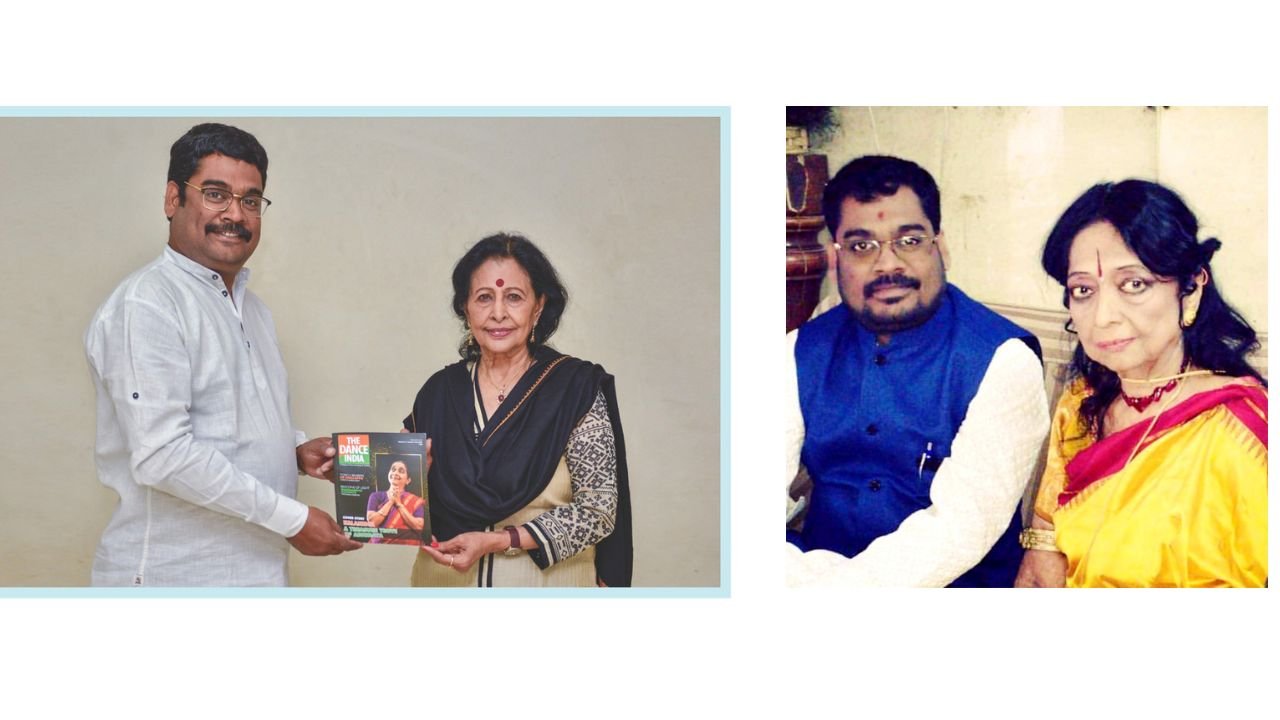
One of the most significant institutions associated with his work is the Nataraj Music and Dance Academy (NMDA), which he founded in 2000. What began as an initiative dedicated to Indian performing arts developed into a broader cultural platform supporting training, performances, festivals, workshops and artistic exchange.
The academy represents an important part of Vikram Kumar’s transition from performer and choreographer to institution builder.
From Individual Artist to Institution Builder
Vikram Kumar’s own artistic journey provided the foundation for his institutional vision.
His interest in the arts began during childhood, supported by his father. He later pursued formal education in Kuchipudi and completed a Master of Arts in Kuchipudi with distinction from Andhra University.
His university years also exposed him to theatre, research and institutional development. He was involved in the establishment of the university’s Department of Dance and researched traditional subjects including Siva Thandavam and Saptha Thandavam.
He also completed Diplomas in Acting and Direction and spent approximately ten years contributing to the Department of Theatre Arts.
These experiences gave him exposure to performance, teaching, research, administration and stage production.
The establishment of NMDA brought these experiences together within a dedicated cultural institution.
A Home for Multiple Indian Art Forms
NMDA’s activities extend beyond a single discipline.
The academy provides training in Kuchipudi, Indian folk traditions, Indian classical music and instrumental music.
This multidisciplinary approach reflects the interconnected nature of Indian performing arts.
Dance depends heavily on rhythm and music, while traditional repertoire often draws upon literature, mythology and regional cultural practices. Giving students exposure to multiple forms can therefore contribute to a broader understanding of Indian artistic traditions.
For Vikram Kumar, this wider perspective is important for developing practitioners who understand the cultural foundations behind their performance.
Developing Disciplined Practitioners
Training is one of the most important responsibilities of a cultural institution.
Classical dance requires sustained practice, physical discipline, technical understanding and familiarity with traditional repertoire. Students need consistent guidance if they are to develop into confident performers.
NMDA has focused on nurturing disciplined and skilled artistes, with training complemented by opportunities to participate in cultural activities.
Workshops and seminars provide additional exposure, while competitions and performances allow students to gain practical stage experience.
The combination of education and performance helps create a pathway from beginner-level learning to more advanced artistic practice.
Creating Opportunities Beyond the Classroom
An institution can play an important role by giving young artistes opportunities that ordinary classroom training cannot provide.
Performing before an audience teaches students how to manage stage pressure, maintain concentration, coordinate with other performers and communicate through movement.
NMDA’s cultural programmes and festivals have provided such opportunities.
The academy has been associated with a number of dance and music initiatives, helping performers gain exposure to different traditions and artistic approaches.
The Festival Dimension
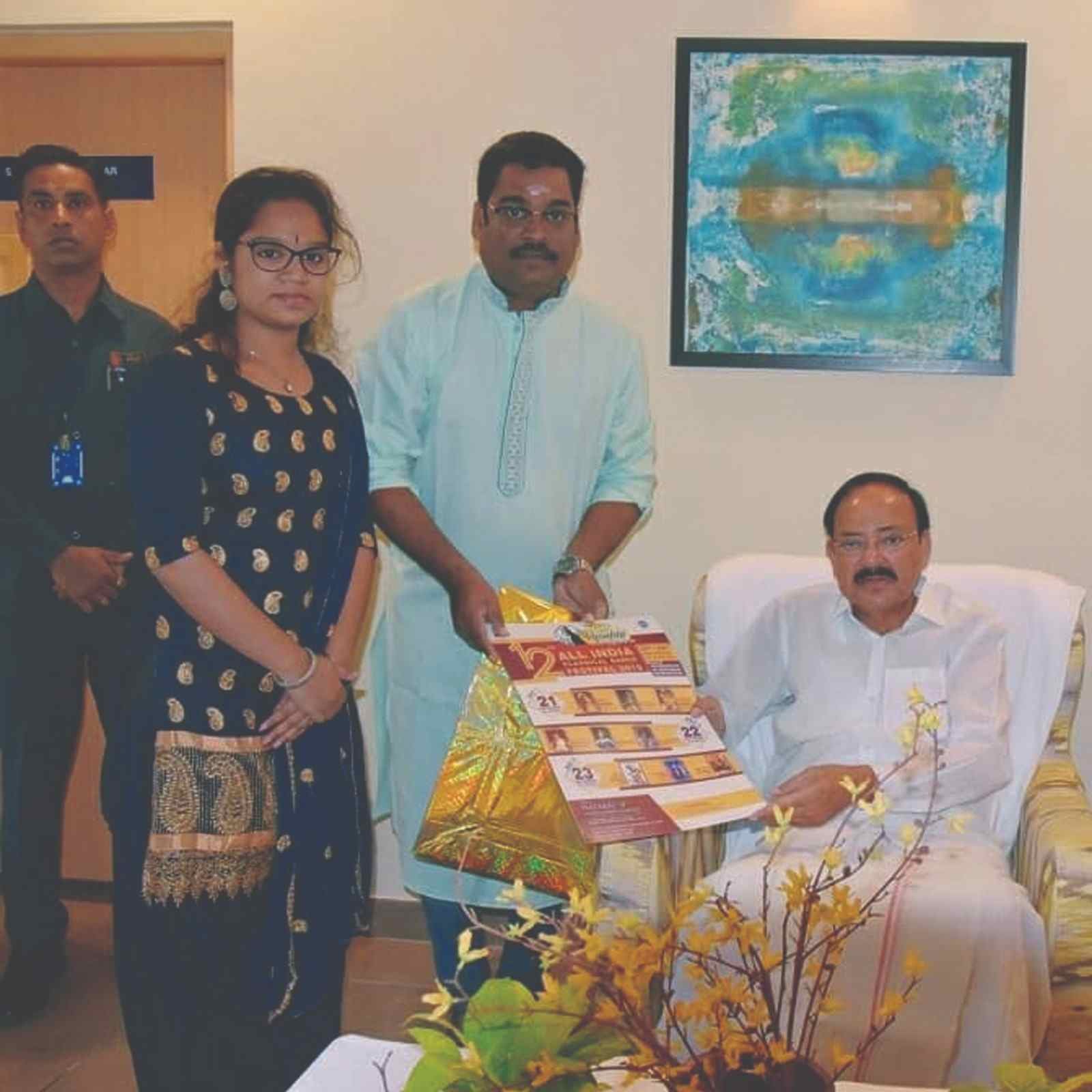
The institutional legacy of NMDA is closely connected with festival organisation.
Under Vikram Kumar’s leadership, the academy has been associated with initiatives including Vysakhi Nrithyotsav, Bharat Nrithyotsav, Nataraj Nrithyotsav, Naatya Tharang Sangeeth Nrithyotsav, Sathyabhama Yuva Nrithyotsav and other cultural programmes.
These festivals provide a platform for established artists as well as emerging performers.
They also help audiences experience different forms of Indian classical and traditional dance.
The festival model extends NMDA’s role from a training institution into a broader cultural service organisation.
Supporting Young Talent
The development of young artistes has been a recurring theme in Vikram Kumar’s work.
His festival initiatives include Sathyabhama Yuva Nrithyotsav, designed to encourage upcoming talent.
For emerging performers, participation in organised festivals can provide valuable experience. They can watch senior artists, interact with other practitioners and learn about professional stage standards.
Such exposure can also help young dancers understand that a career in classical arts involves much more than individual performance. It can include teaching, choreography, research, cultural management and artistic leadership.
Connecting Senior and Emerging Artistes
A strong cultural institution can help create connections between generations.
Senior artists carry specialised knowledge developed through decades of practice. Young performers bring new energy and represent the future of the tradition.
NMDA’s festivals and programmes have sought to bring these groups into the same cultural environment.
Such interactions can encourage mentorship and knowledge transfer.
They also help younger artistes understand the discipline expected at professional levels of classical performance.
Institutional Standards
NMDA has developed an institutional identity that places emphasis on organised cultural activity.
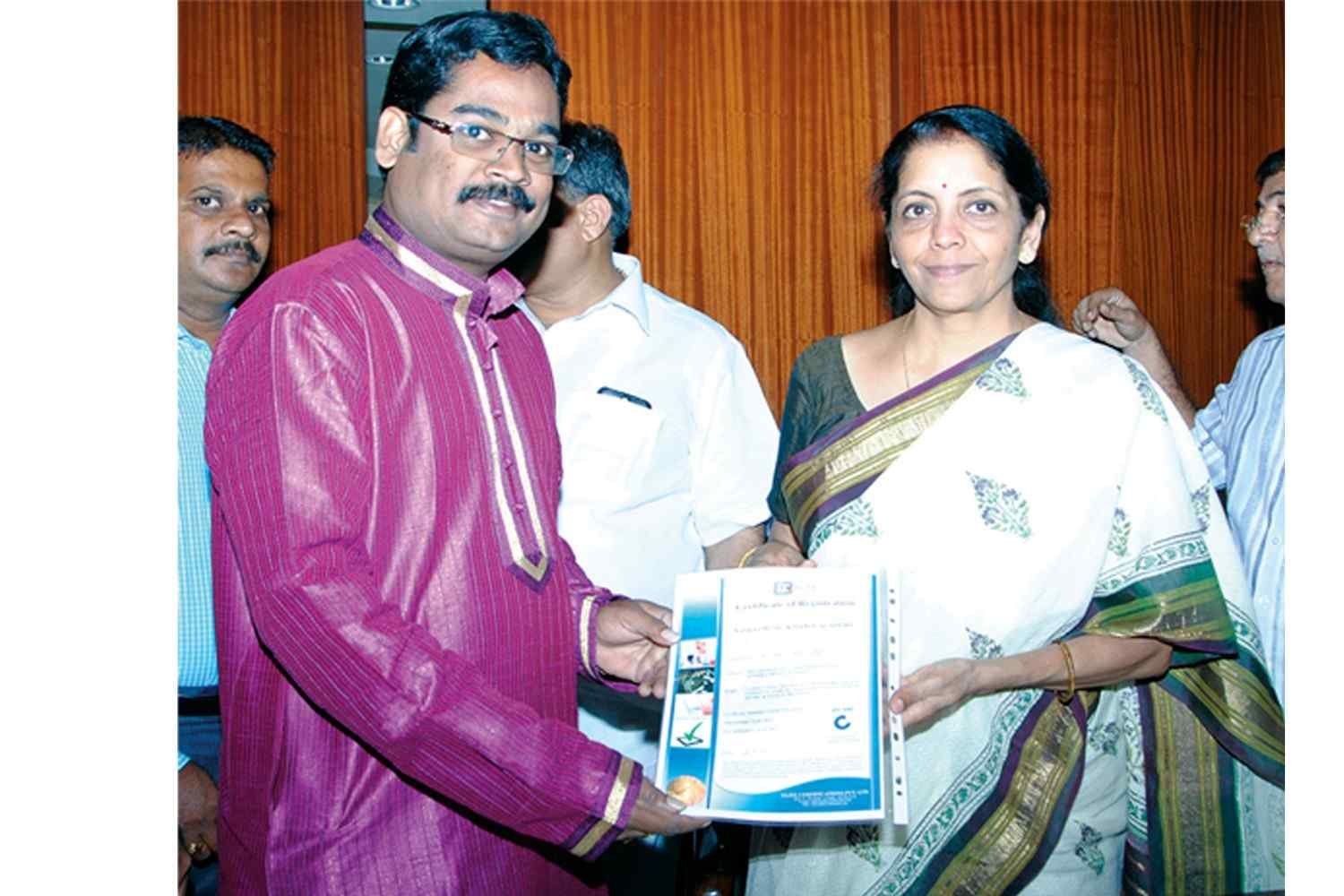
The academy is described as ISO 9001:2008 certified and as a member of the International Dance Council (CID) at UNESCO.
These institutional affiliations have accompanied its work in dance education, cultural programming and festival organisation.
For an organisation working with traditional arts, structured administration can be important. Training programmes, artist coordination, festival planning, documentation and public communication all require systematic management.
Cultural Preservation as an Institutional Responsibility
Vikram Kumar’s philosophy of preservation extends beyond simply maintaining dance movements.
He has advocated protecting the broader knowledge ecosystem surrounding classical arts, including literature, repertoire, choreography, music, gurus, practitioners, performance practices and documentation.
An institution can play a major role in this process.
Students can be taught not only how to perform but also why particular movements, compositions and traditions matter.
Workshops and seminars can create spaces for discussion, while festivals can keep performance traditions visible.
Respecting Artistic Ownership
Another dimension of Vikram Kumar’s cultural advocacy concerns artistic ownership.
The digital era has made it easier to copy and distribute creative material, including choreography, music, photographs, articles, archival recordings and concepts.
He has argued for greater awareness of copyright and intellectual property rights within the arts.
For a cultural institution, teaching respect for artistic ownership can be part of professional education.
Young practitioners need to understand the importance of acknowledging sources, crediting creators and avoiding unauthorised reproduction of creative work.
Beyond Dance Training
NMDA’s activities demonstrate that the role of a cultural institution can extend well beyond dance classes.
A sustainable arts organisation can become a place for:
- Training and skill development
- Cultural festivals
- Workshops and seminars
- Artistic competitions
- Performance opportunities
- Audience education
- Interaction between senior and emerging artistes
- Promotion of Indian classical and folk traditions
This wider approach is central to the institutional model associated with Vikram Kumar.
Building a Sustainable Cultural Ecosystem
Vikram Kumar’s broader philosophy is that classical arts cannot survive through performers alone.
They require teachers to transmit knowledge, students to learn, artistes to perform, researchers to document, organisers to create platforms and audiences to support the cultural environment.
NMDA represents an effort to bring several of these functions together.
Its activities provide a practical example of how institution building can complement individual artistic careers.
A Legacy of Cultural Service
Since its establishment in 2000, Nataraj Music and Dance Academy has remained an important component of Vikram Kumar B R’s cultural journey.
The academy reflects his evolution from a Kuchipudi performer and theatre practitioner into an institution builder committed to creating opportunities for other artistes.
Its work in training, festivals, workshops, competitions and cultural programming supports the broader objective of keeping Indian performing arts active.
The institution also reflects a long-term understanding of cultural preservation: traditions must not simply be remembered; they must be learned, practised, performed, documented and transmitted.
Looking Toward Future Generations
The most important measure of a cultural institution is ultimately the generations it helps prepare.
Through NMDA, Vikram Kumar B R has sought to create an environment where young performers can develop skills, experience the stage and become part of India’s wider classical arts community.
His institutional legacy therefore goes beyond the academy’s programmes themselves.
It represents a philosophy of cultural leadership in which an artist takes responsibility not only for personal artistic development but also for creating conditions in which others can succeed.
For Vikram Kumar, Nataraj Music and Dance Academy is consequently more than a dance institution. It is part of a continuing effort to build a sustainable cultural ecosystem in which India’s classical and traditional arts can remain vibrant, respected and accessible to future generations.