
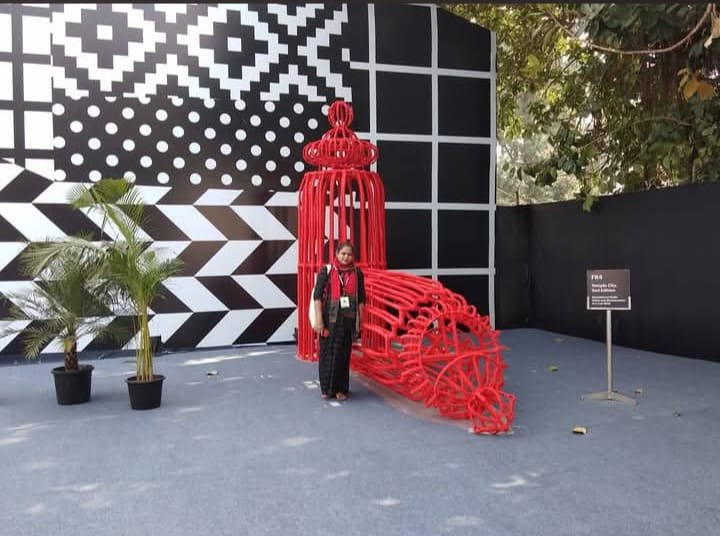
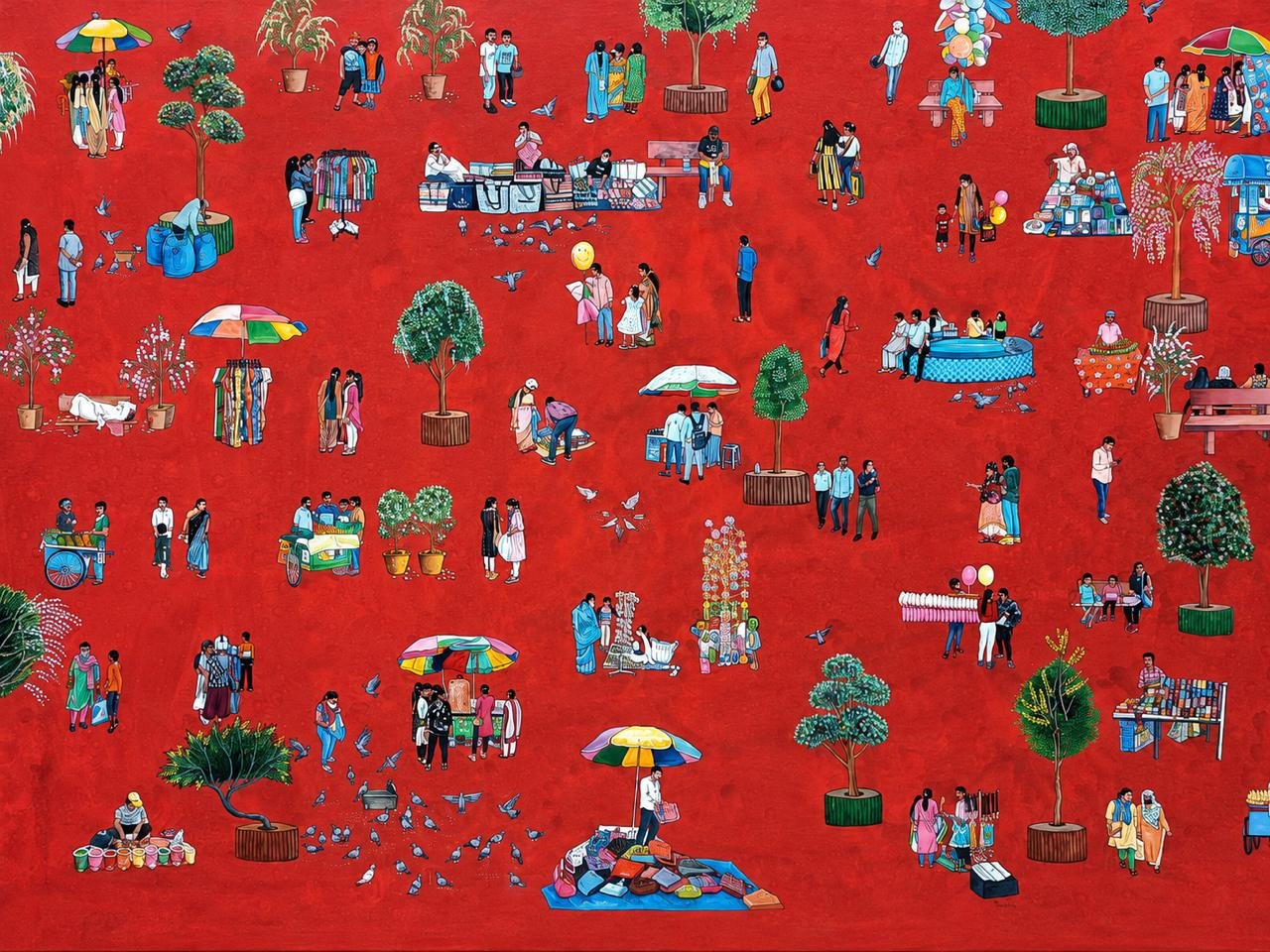
Art is often associated with galleries, museums and private collections. However, public art takes creativity beyond these traditional spaces and places it directly within the everyday lives of people. A mural on a city wall, an installation in a public square or a collaborative artwork in a community space can transform how people experience their surroundings.
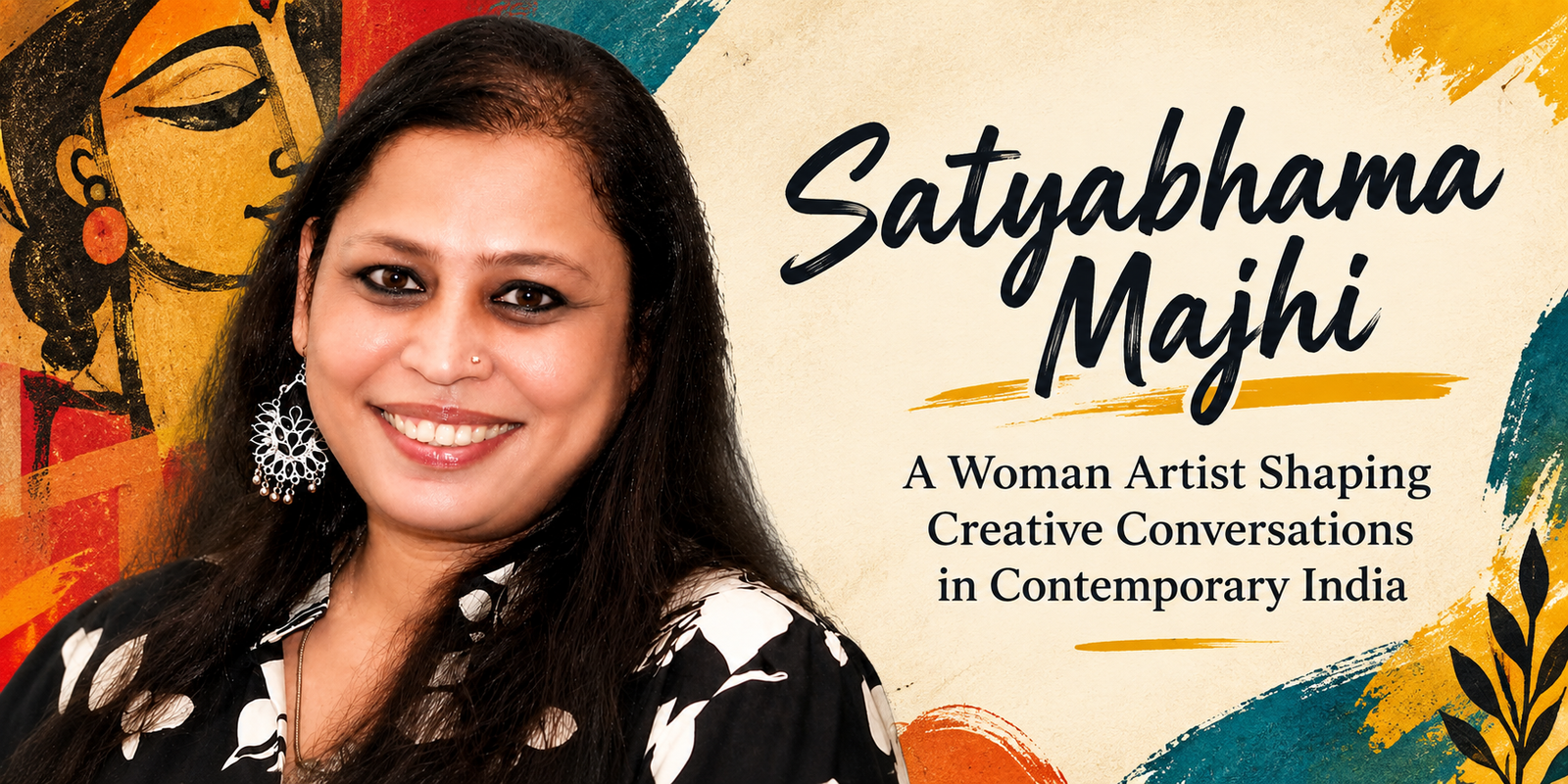
For contemporary Indian artist Satyabhama Majhi, public art has become an important extension of her wider multidisciplinary practice. Alongside painting, sculpture, installation, photography and mixed media, she has participated in public-art initiatives that bring artistic expression into shared environments.
Based in Bhubaneswar, Odisha, Majhi’s artistic journey demonstrates how public art can connect creativity with communities, cities, cultural identity and everyday life.
What Makes Public Art Different?
Public art differs from conventional gallery-based art because of its location and audience.
A gallery visitor makes a conscious decision to enter an exhibition space. Public art, however, becomes part of an environment that people already use.
Someone may encounter a mural while walking to work. A family may see an artwork while travelling through the city. Children may pass a painted wall every day on their way to school.
This accessibility is one of the strongest characteristics of public art.
It removes some of the physical barriers between art and audiences.
Art as Part of Everyday Life
Majhi’s interest in public art is closely connected with her broader belief that creativity should not remain limited to exclusive spaces.
Her work with communities, children and public projects reflects an interest in making artistic experiences more accessible.
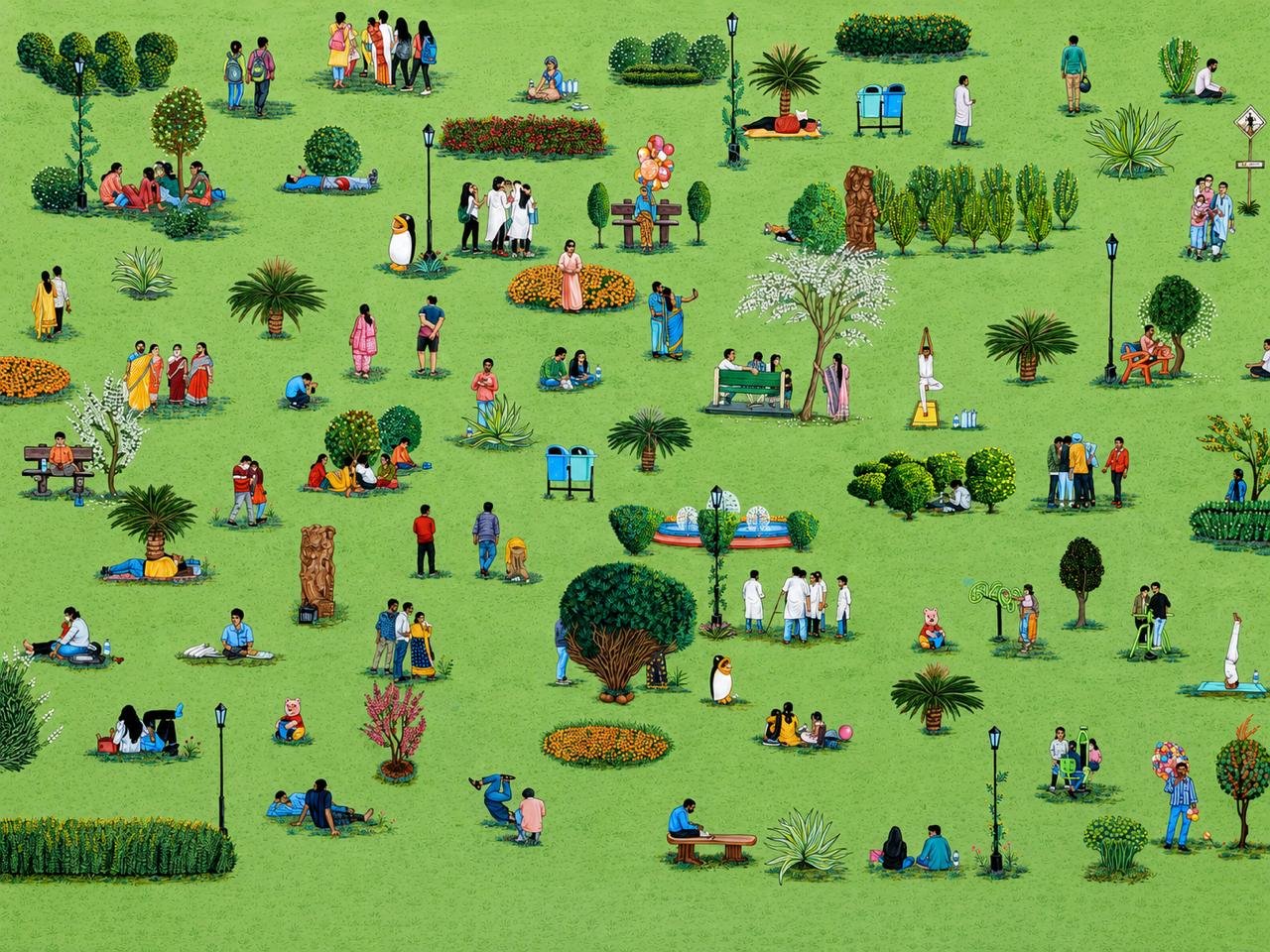
When art enters public spaces, it becomes part of everyday life.
A wall that was previously ignored can become a visual landmark. A public area can gain a new identity through colour and imagery.
This transformation can change how people feel about a place.
Odisha and the Growth of Public Art
Cities in Odisha have increasingly used murals and public-art projects to improve and transform shared spaces.
Bhubaneswar and Cuttack have provided important environments for such artistic initiatives.
Majhi has contributed to large-scale public-art activities associated with urban spaces and cultural events.
These projects demonstrate how artists can work beyond the studio to respond to architecture, public movement and community environments.
Public art requires artists to think differently.
The artwork must be visible from different distances and experienced by audiences with diverse backgrounds.
Working at a Larger Scale
Creating a mural or large public artwork is different from producing a small painting.
Scale changes the entire artistic process.
The artist must consider the size of the wall, surrounding buildings, visibility, light and the movement of people.
Colours and forms that work in a studio may need to be adapted for an outdoor environment.
Majhi’s experience as a painter and multidisciplinary artist provides a foundation for working at different scales.
Public art allows visual ideas to expand physically and interact directly with architectural spaces.
Murals as Urban Storytelling
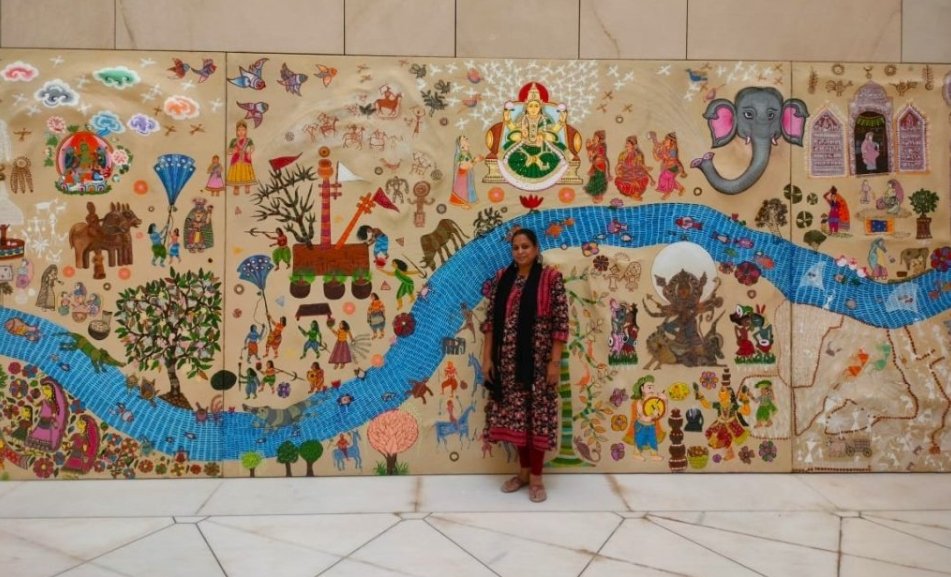
A mural can tell a story about a city or community.
It can reflect local history, cultural identity, nature, sports, social values or collective aspirations.
Because murals are visible to large audiences, they can become part of the visual memory of a place.
Majhi’s involvement in public-art initiatives reflects the potential of murals to communicate with people outside formal art institutions.
The public wall becomes a medium.
Instead of presenting art on a canvas inside a gallery, the artist uses the city itself as a space for visual communication.
The Importance of Collaboration
Large public-art projects often involve collaboration.
Artists may work together, coordinate with institutions and engage with local communities.
This collaborative process reflects an important aspect of Majhi’s wider practice.
Her experience as a curator, community practitioner and cultural facilitator allows her to understand art as something that can involve multiple participants.
Public art is often stronger when it responds to the character of the place and the people who use it.
Public Art and Cultural Identity
Public spaces are important sites for expressing cultural identity.
A mural can include visual references to local traditions, landscapes, festivals or historical experiences.
In a culturally diverse country like India, public art can create opportunities to celebrate regional identities.
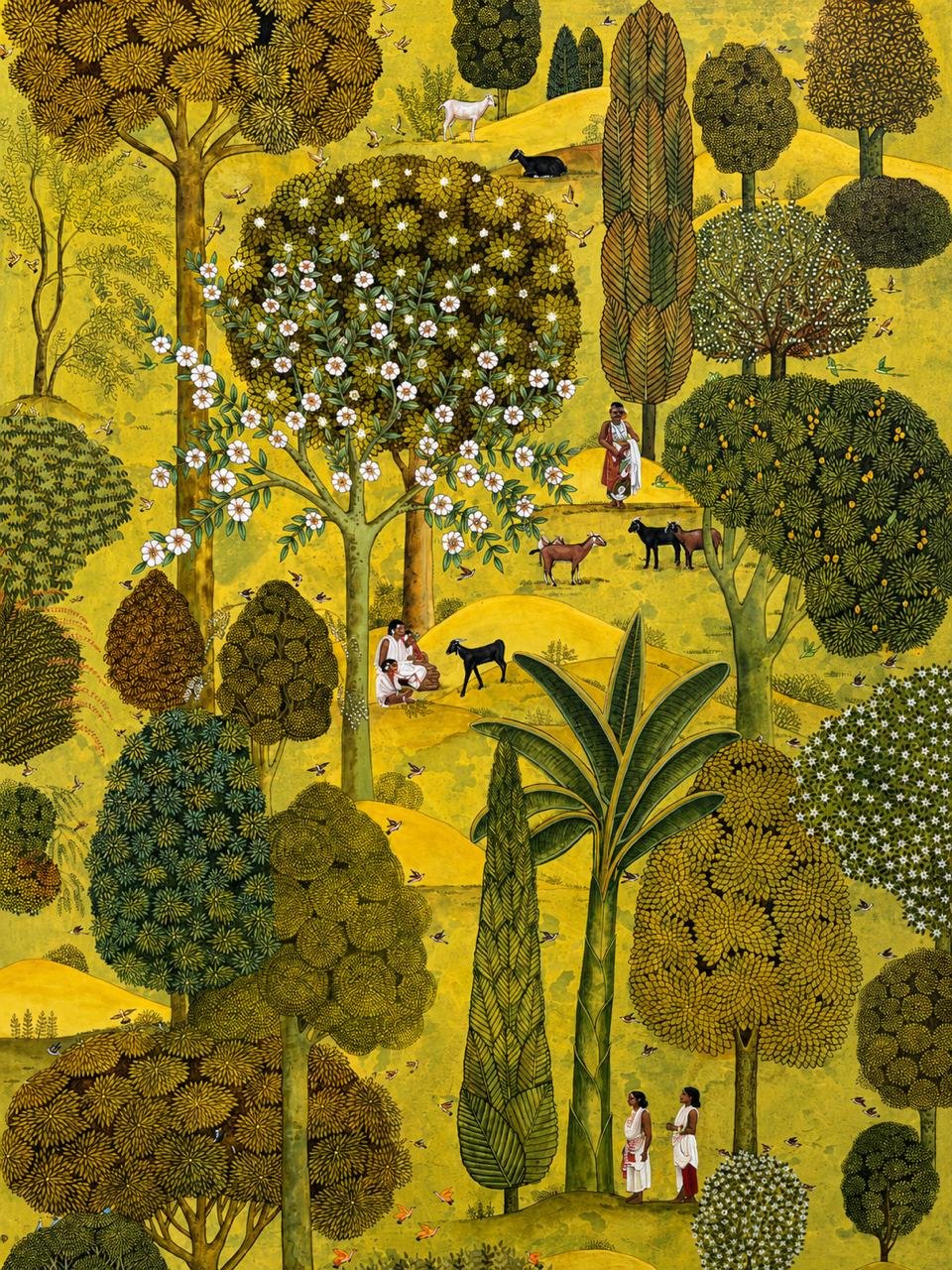
Majhi’s artistic background in Odisha and her interest in traditional and indigenous visual cultures provide a strong foundation for such work.
Her approach demonstrates how regional experiences can be translated into contemporary visual forms.
Art for Audiences Beyond Galleries
One of the most important contributions of public art is audience expansion.
Not everyone visits art galleries or museums.
Public art can reach people regardless of whether they identify themselves as art enthusiasts.
A shopkeeper, student, tourist, office worker or local resident may all encounter the same artwork.
This democratic accessibility gives public art a unique social role.
Majhi’s community-oriented approach is closely connected with this principle.
Art becomes something people encounter naturally rather than something reserved for a specialised audience.
The City as a Creative Canvas
Urban spaces contain many surfaces and environments that can become sites for artistic intervention.
Walls, underpasses, public buildings and community spaces can all provide opportunities for creativity.
When thoughtfully designed, public art can improve visual environments without simply functioning as decoration.
It can encourage people to think about the identity of a place.
Majhi’s public-art activities demonstrate the potential of artists to contribute to the visual character of cities.
Art, Sports and Public Events
Major public events can also create opportunities for artistic participation.
Majhi has been associated with large-scale mural and public-art projects connected with important sporting and cultural occasions in Odisha.
Such projects demonstrate how art can contribute to the atmosphere of a public event.
Visual installations and murals can welcome visitors, communicate local identity and create memorable environments.
The relationship between art and public events expands the audience for creative expression.
Public Art as Collective Memory
Over time, public artworks can become part of collective memory.
People may remember a particular wall, mural or installation because it was connected with a period in their lives or the history of a neighbourhood.
A public artwork can therefore become part of the identity of a location.
This idea connects closely with Majhi’s broader interest in cultural memory and place.
Her work suggests that art can help create visual connections between people and environments.
Community Participation in Public Art
Public art becomes even more meaningful when communities participate in the creative process.
Children, local residents, artists and other participants can contribute ideas and experiences.
This approach creates a sense of shared ownership.
Majhi’s long experience with community-based art and educational workshops supports this participatory philosophy.
The public artwork is no longer only the artist’s statement. It can become a collective expression.
Challenges of Creating Art in Public Spaces
Public art also presents challenges.
Artists must work with weather, architecture, time limitations and large surfaces.
The work may need to communicate with audiences who have different cultural backgrounds and artistic interests.
There may also be practical questions about maintenance and preservation.
These challenges require planning and adaptability.
Majhi’s multidisciplinary experience allows her to approach artistic projects from different perspectives.
Public Art and Social Awareness
Public art can sometimes address social and environmental themes.
Because it is located in shared spaces, it can encourage people to reflect on issues affecting their communities.
Themes such as environmental awareness, cultural diversity, heritage and social cooperation can be communicated through visual imagery.
Majhi’s broader interest in ecology, culture and community engagement makes public art a natural extension of her practice.
The public environment becomes a space for dialogue.
Bringing Colour to Shared Environments
One of the most visible effects of public art is transformation.
Colour and imagery can change the appearance of an ordinary environment.
A previously neglected wall can become visually engaging. A public area can develop a stronger sense of identity.
However, the value of public art goes beyond visual beautification.
It can also create emotional and cultural connections.
People may feel greater attachment to spaces that reflect creativity and local identity.
Public Art and the Future of Cities
As Indian cities continue to grow, the role of public art is likely to become increasingly important.
Urban development is not only about roads and buildings. It also involves creating environments where people can experience culture and creativity.
Artists can contribute to this process.
Majhi’s public-art practice provides an example of how contemporary artists can participate in shaping shared environments.
Her work demonstrates that artistic creativity can have a place within urban planning, cultural events and community development.
From the Studio to the Street
The movement from studio art to public art represents an important expansion of artistic practice.
In the studio, the artist controls the immediate environment.
In public spaces, the artwork becomes part of a larger and less predictable world.
People encounter it in different ways and bring their own interpretations.
This openness can make public art particularly dynamic.
For Majhi, the transition between studio-based practice and public engagement reflects her wider multidisciplinary approach.
Conclusion
Satyabhama Majhi’s engagement with public art demonstrates her belief in the importance of bringing creativity into shared spaces.
Through murals, large-scale projects and community-oriented artistic activities, she has contributed to environments where art can be experienced as part of everyday life.
Her work in Odisha illustrates how public art can transform urban spaces while also communicating cultural identity, local stories and collective values.
For Majhi, art is not confined to the walls of a gallery.
It can exist on city streets, in community spaces, educational environments and major public events.
This approach reflects a larger philosophy that runs throughout her artistic journey: creativity becomes more powerful when it connects with people.
By transforming shared spaces through visual expression, Satyabhama Majhi continues to demonstrate the social and cultural possibilities of public art in contemporary India.